Massage Therapy Regulations in the U.S.
Stay Legal. Stay Confident. Practice with Peace of Mind.
Looking for reliable information on massage therapy regulations and licensing requirements in the U.S.?
At Raynor Massage School, we help you understand what rules apply in your state so you can practice legally — and ethically.
Why Regulations Matter
-
Protect your clients with safe, professional standards
-
Protect yourself from fines, legal issues, and penalties
-
Maintain credibility as a licensed professional
-
Understand your scope of practice, including reflexology, deep tissue, and other modalities
National Overview
-
45 states + D.C., Puerto Rico, U.S. Virgin Islands require massage therapy licensure
-
Licensure categories: licensure, certification, registration (varies by state)
-
Most states require 500–1,000 hours of training, an approved exam (like MBLEx), and continuing education (CE) for license renewal
Reflexology & Specialty Modalities
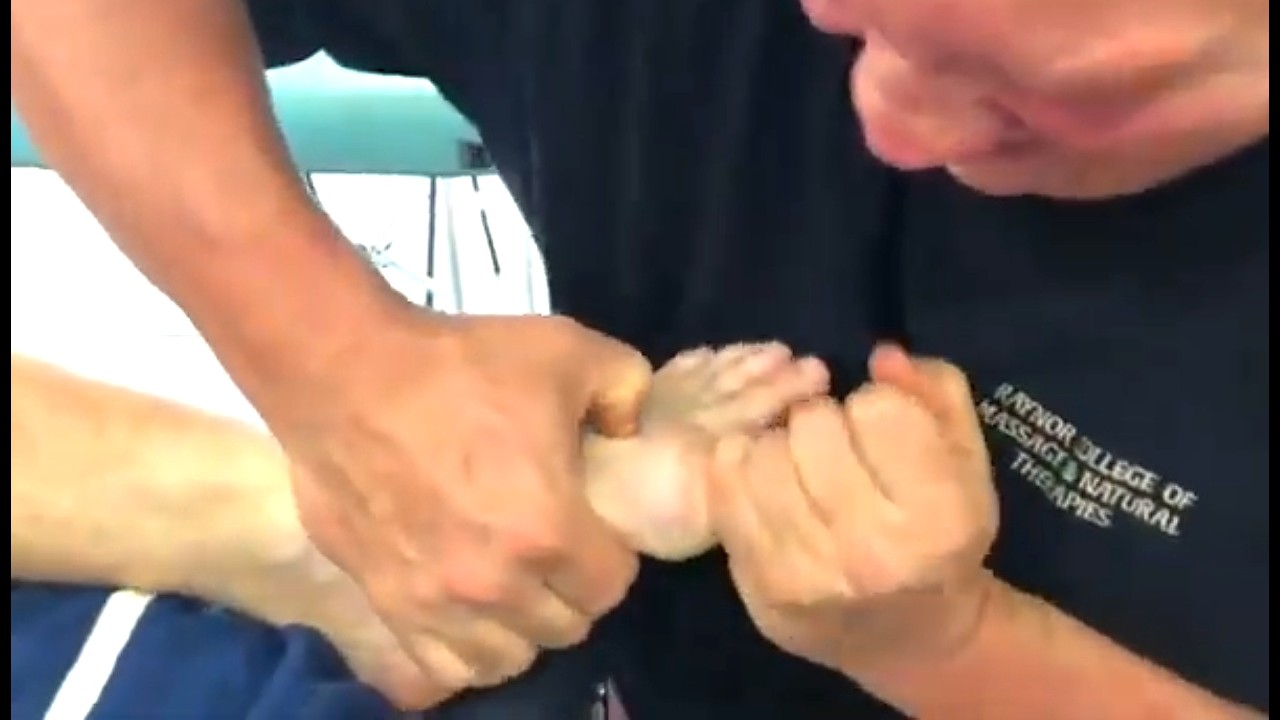
Reflexology is often regulated under massage therapy laws:
-
In states like New York, reflexologists must have a full massage license
-
In other states, reflexology may be unregulated or covered separately
-
Always check both state laws and local (city/county) ordinances
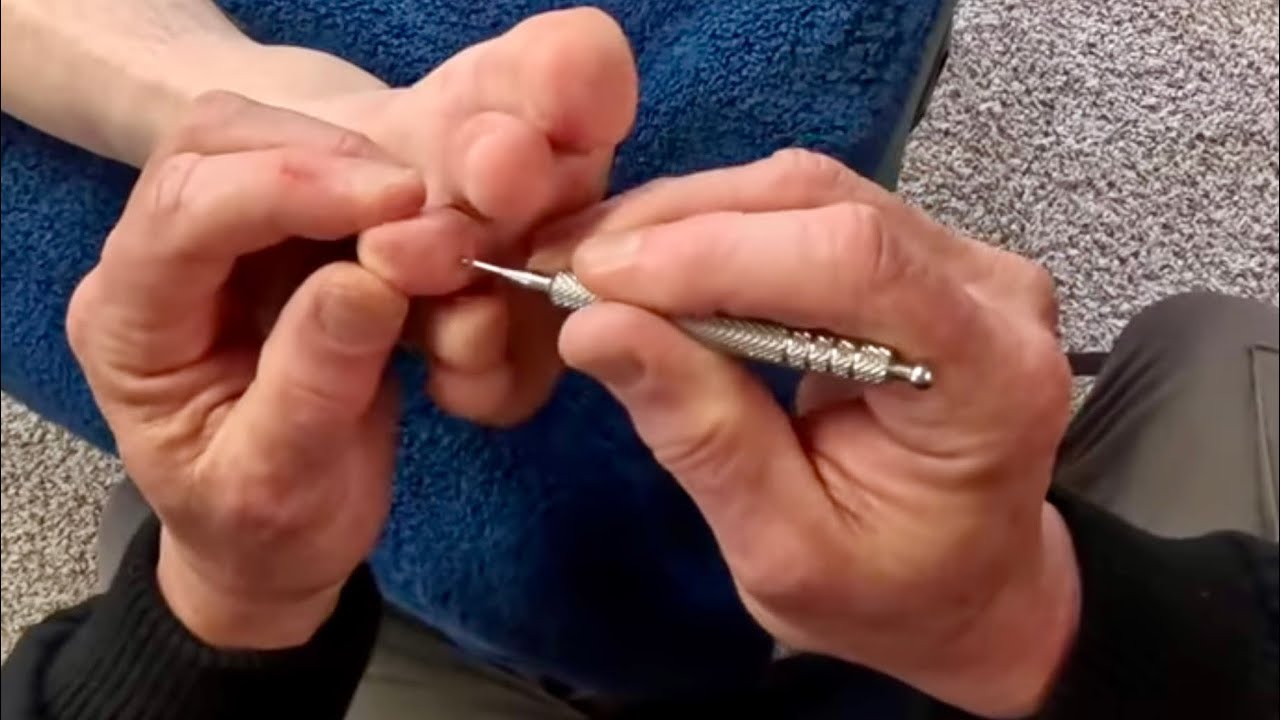
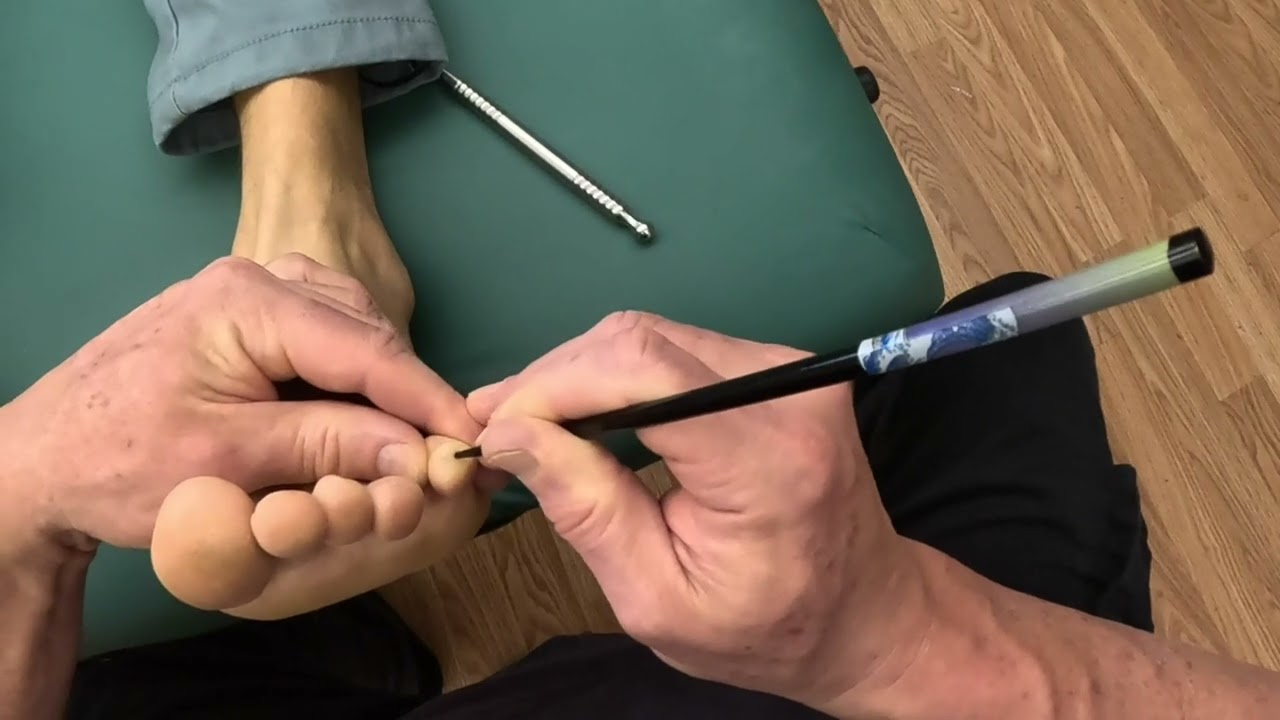
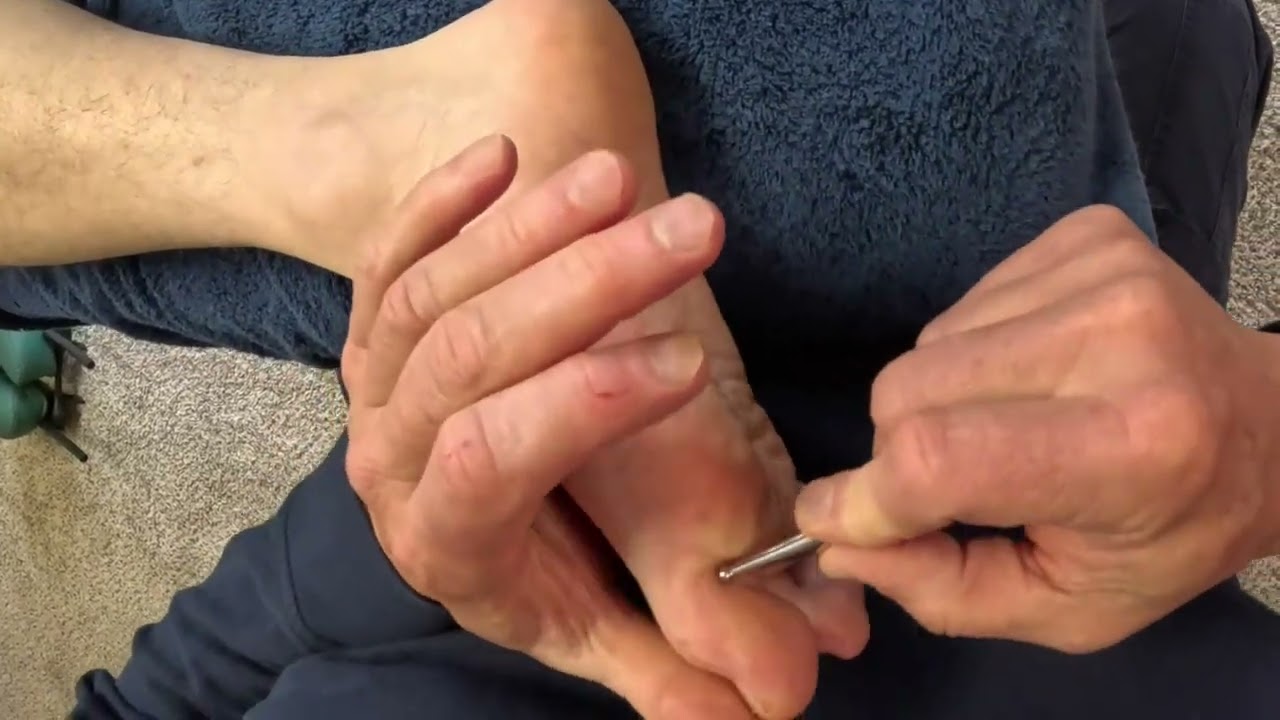
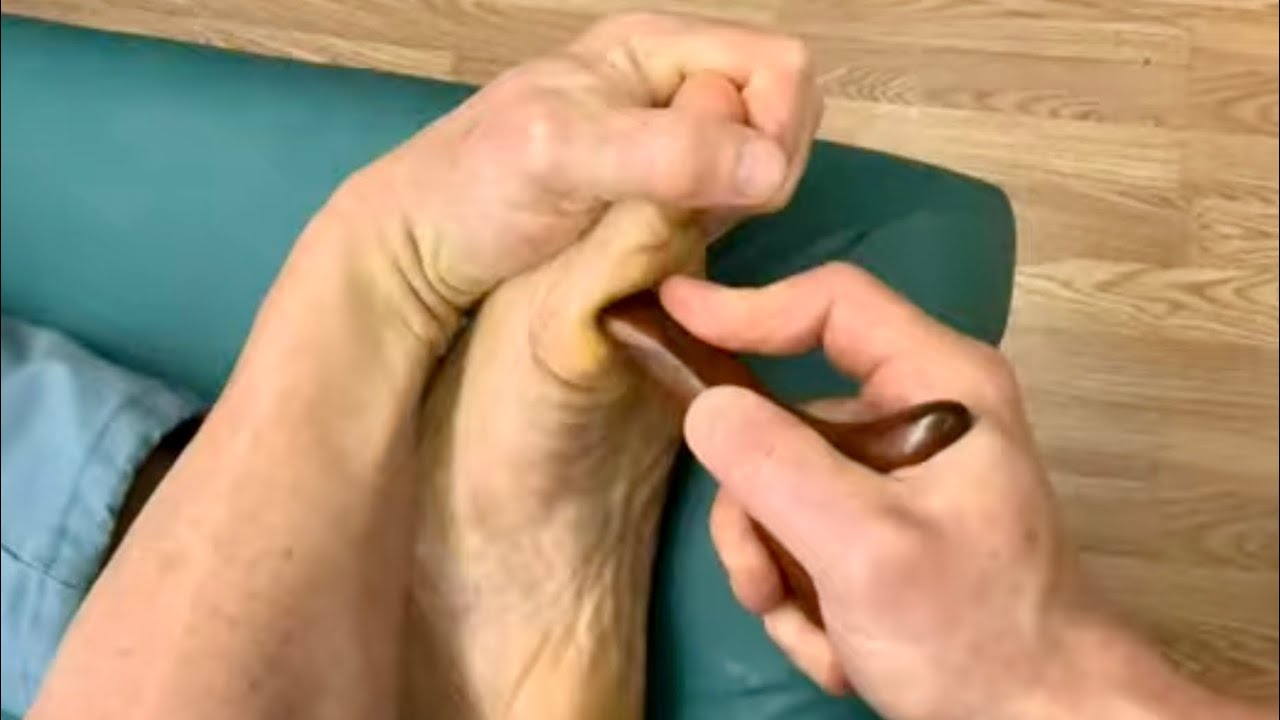
- Raynor Massage is exempt in some states if advertised as energy work and done fully clothed, like in Arizona or only practiced on the feet up to the knees, arms up to the elbows and head, above the neck in Missouri.
Local Rules You Should Know
-
City or county licenses may apply even if you have a state license
-
Local permits may include health inspections, zoning approvals, fingerprinting, or background checks
-
Example: New York City requires a massage establishment permit with the Health Department

Tips for Compliance
✅ Check your state board regulations
✅ Track your training hours and exam records
✅ Complete CE credits on time
✅ Apply for any required local permits
✅ Stay within your legal scope of practice
Frequently Asked Questions
Do all states require massage therapy licensure?
No. Currently, California, Kansas, Minnesota, Vermont, and Wyoming do not have state licensure, but local permits may apply.
How many training hours are required?
Typically, 500–1,000 hours of approved education plus passing a national or state exam.
Is continuing education (CE) required?
Yes, in most states — usually 12–36 hours every 1–3 years.
Can I transfer my license between states?
Many states offer reciprocity or endorsement if your original license meets or exceeds their requirements.
Why This Matters for Your Career
Knowing and following massage therapy regulations:
-
Protects your right to practice
-
Builds client trust
-
Strengthens your professional reputation
-
Prevents costly legal issues
Raynor Massage offers training and support to help you comply with your state’s requirements. Contact us to learn more!
For more information about Raynor Massage Courses Click Here
For testimonials about Raynor Massage Courses Click Here
For information about The Level 1 Online Introduction to Raynor Massage Click Here.
U.S. States and Territories (Alphabetical List)
Alabama
Alaska
Arizona
Arkansas
California
Colorado
Connecticut
Delaware
Florida
Georgia
Hawaii
Idaho
Illinois
Indiana
Iowa
Kansas
Kentucky
Louisiana
Maine
Maryland
Massachusetts
Michigan
Minnesota
Mississippi
Missouri
Montana
Nebraska
Nevada
New Hampshire
New Jersey
New Mexico
New York
North Carolina
North Dakota
Ohio
Oklahoma
Oregon
Pennsylvania
Rhode Island
South Carolina
South Dakota
Tennessee
Texas
Utah
Vermont
Virginia
Washington
West Virginia
Wisconsin
Wyoming
U.S. Territories
American Samoa
District of Columbia (D.C.)
Guam
Northern Mariana Islands
Puerto Rico
U.S. Virgin Islands