Massage and Reflexology Regulations in Canada
If you’re interested in learning or practicing massage or reflexology in Canada, you might wonder:
“Do I need a license?”
“Are there provincial regulations?”
“Can I practice Raynor Massage or reflexology legally?”
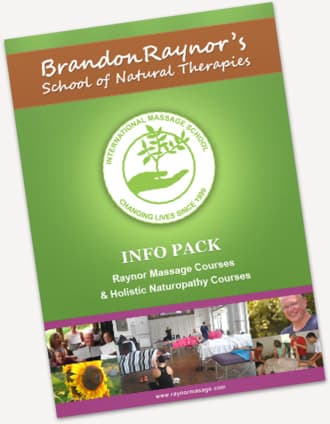
This guide will walk you through the massage and reflexology regulations in Canada, province by province — and explain how Raynor Massage fits into the Canadian wellness landscape.

Canada’s Unique Regulatory System
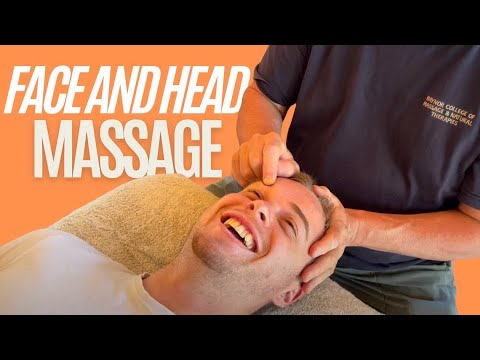
In Canada, massage therapy is regulated at the provincial level, not federally. This means laws and requirements vary depending on where you live and practice.
Reflexology, on the other hand, is generally considered an unregulated complementary therapy across Canada — but professional associations and best practices still apply.

Massage Therapy Regulations by Province
Ontario
Ontario is a regulated province. Only practitioners registered with the College of Massage Therapists of Ontario (CMTO) can call themselves “Registered Massage Therapist (RMT)” or “Massage Therapist (MT).” To get registered, you must complete an approved program (usually ~2-3 years) and pass exams. This usually takes 3 years and costs between $20,000 and $30,000
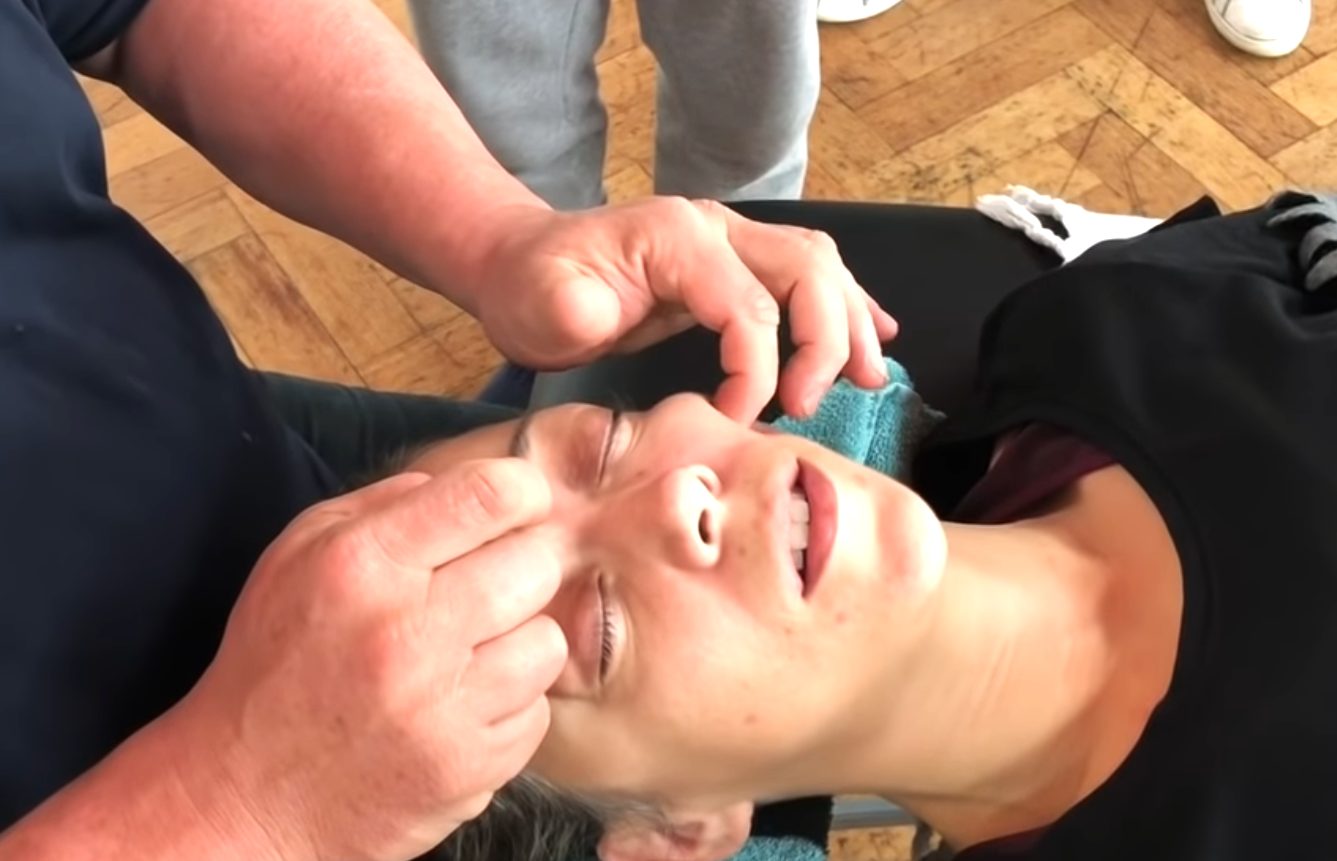
The great news is that as long as you don’t use those terms you can practice other forms of bodywork such as Raynor massage. You can learn this in a few weeks and compete with the RMTs.
In Ontario, only individuals registered with the College of Massage Therapists of Ontario (CMTO) may use any of the following protected English titles or their abbreviations:
-
Massage Therapist (MT)
-
Registered Massage Therapist (RMT)
-
RMT
-
MT
-
Massage Therapy (including “Therapeutic Massage”)
Attempting to use any of these titles, abbreviations, or claims to provide “Massage Therapy” without CMTO registration is prohibited and constitutes illegal practice
CMTO also protects the French equivalents under federal trademark law, so only registrants may use:
-
Massothérapeute
-
Massage thérapeutique
-
Massothérapie
Any variation, translation, or abbreviation of these terms is likewise reserved for CMTO‑registered practitioners
 Good to know: Complementary therapies like reflexology, Raynor Massage, or energy work can be offered, but they must not be advertised as “massage therapy.” They can use terms like Raynor bodywork, Raynor massage. Massage professional or natural therapy
 Learn about Raynor Massage Courses in Canada.
British Columbia
B.C. is another regulated province. The College of Massage Therapists of B.C. (CMTBC) oversees massage licensing. Only licensed RMTs can use the title.
Raynor Massage can be practiced as Raynor bodywork, Raynor massage. Massage professional or natural therapy, but it should be clearly distinguished from “massage therapy” services.
https://youtu.be/qHuISBmB0Mc
Newfoundland & Labrador, New Brunswick
These provinces are regulated; only RMTs may advertise “massage therapy.”
Reflexology and Raynor Massage can still be practiced under complementary or natural health services. We use terms like Raynor bodywork, Raynor massage. Massage professional or natural therapy
Here are the reserved professional titles in Newfoundland & Labrador and in New Brunswick:
Newfoundland & Labrador
Under the Massage Therapy Act, 2005, only registrants of the College of Massage Therapists of Newfoundland & Labrador may use:
- Registered Massage Therapist
- Massage Therapist
- Certified Massage Therapist
- Any variation or abbreviation of those titles (e.g. RMT, MT, CMT)
New Brunswick
Under the Massage Therapy Act and enforced by the College of Massage Therapists of New Brunswick, only college members may use:
- Registered Massage Therapist (RMT)
- Massage Therapist
- Certified Massage Therapist
- Any similar designation or abbreviation (e.g. MT, CMT)
Using any of these titles or their abbreviations without being registered in the respective province is prohibited and may lead to regulatory action.
Alberta, Saskatchewan, Manitoba, Quebec, Nova Scotia, Prince Edward Island
These provinces do not have government-regulated massage therapy, but professional associations set voluntary standards. Check any city regulations.
Anyone can practice massage, but joining an association or getting insurance may require specific certifications.
Yukon, Northwest Territories, Nunavut
Currently, there are no formal regulations for massage therapy.
Raynor Massage and reflexology can be practiced without provincial registration.

What About Reflexology in Canada?
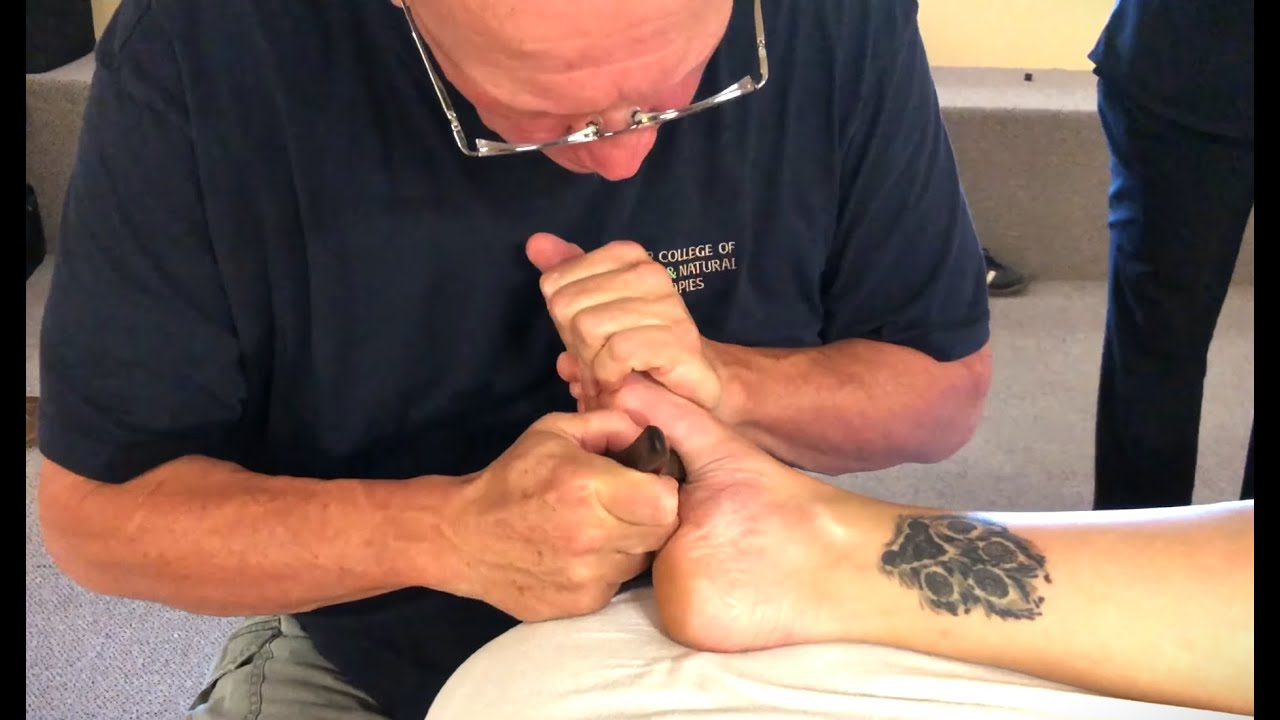
Reflexology is generally unregulated across Canada. You can practice reflexology without a government license, but some practitioners choose to join voluntary associations like the Reflexology Association of Canada (RAC) for credibility and insurance access.
Learn about Raynor Reflexology courses.


How Does Raynor Massage Fit Into Canada’s Landscape?
Raynor Massage is classified as bodywork or complementary therapy, not regulated massage therapy (RMT) in Canada.
This means:
You can learn and practice Raynor Massage in most provinces without an RMT license.
In regulated provinces, you must clearly advertise it as Raynor Massage or bodywork, not “massage therapy.”
Many of our students are non-RMTs, yoga teachers, wellness practitioners, or existing therapists wanting to expand their skills.
Check our upcoming courses in Canada.

Important Notes on Practicing Professionally
- Always check with local business and consumer laws about setting up a practice.
- Ensure you have appropriate liability insurance for your scope of practice.
- Consider joining voluntary wellness associations for professional recognition.
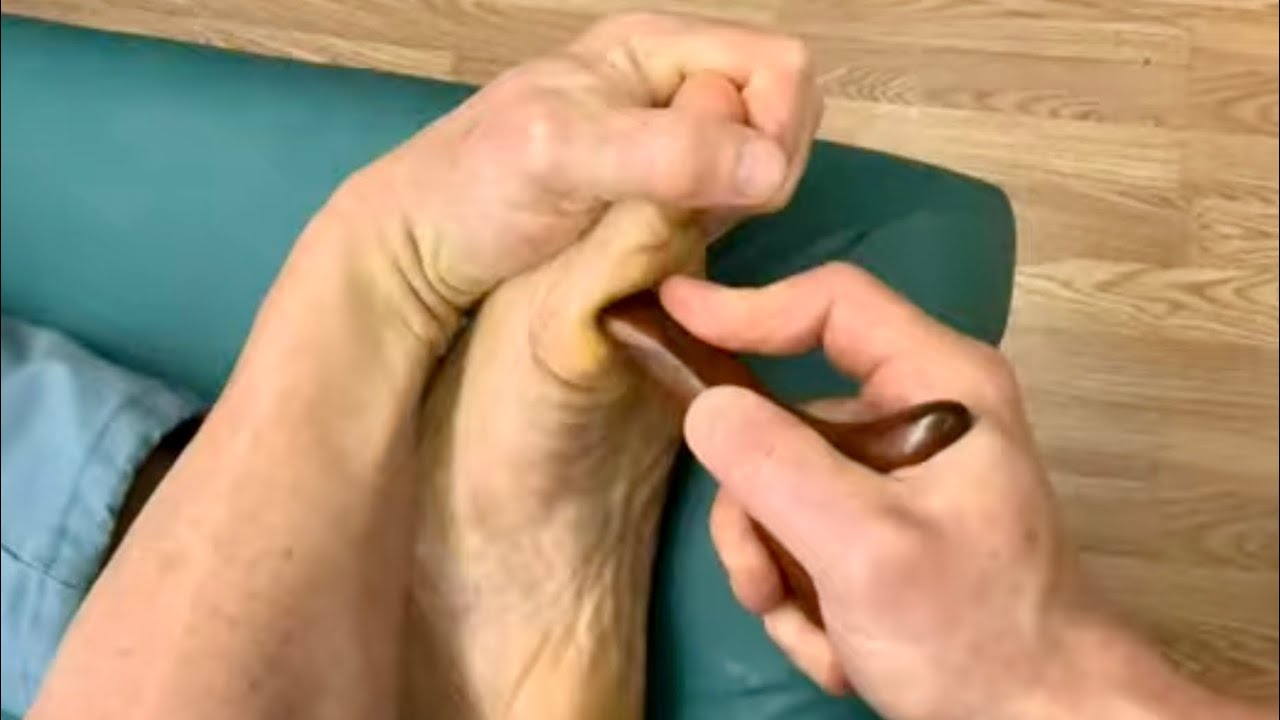

Want Help Figuring Out Your Province?
We’re here to help! If you’re unsure whether you can practice Raynor Massage or reflexology in your area, reach out to us.
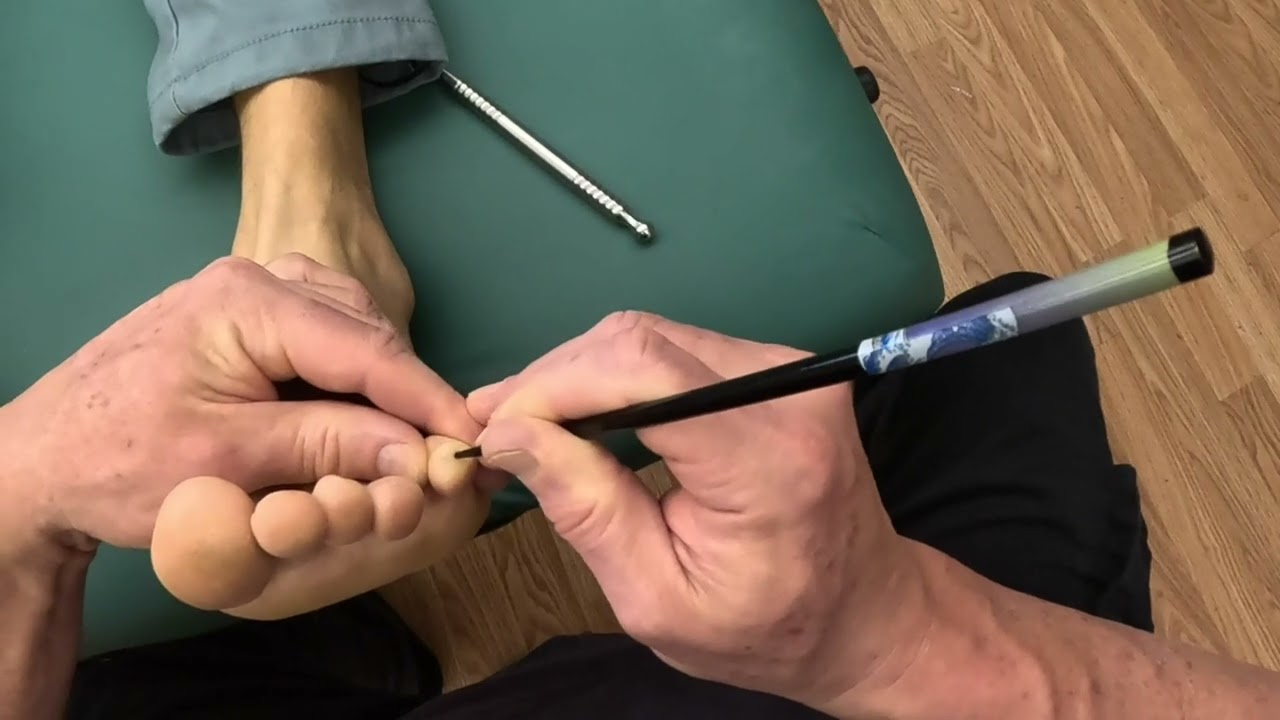

Why Learn Raynor Massage in Canada?
- Fast-track, hands-on courses — no years-long programs required
- Open to beginners and experienced therapists
- Teaches you deep, transformative tension release beyond standard techniques
- Gives you skills you can apply for family, friends, or professional work (within your local rules)
Explore Raynor Massage training in Canada.

Final Takeaway
Massage and reflexology regulations vary across Canada — but in most places, you can practice Raynor Massage and reflexology as complementary health services without a formal license.
With the right training, clear advertising, and responsible practice, you can start transforming lives and offering deep, holistic healing.
Our Upcoming Massage Courses
A course will be scheduled when enough students have registered and completed our Online Raynor Massage Certificate Course. If you would like to enrol please visit our online course enrolment page.
For more information please contact us.