Reflexology & Foot Massage Regulations in Vermont
1. State Overview of Reflexology
-
Vermont does not license massage therapists, bodyworkers, or reflexologists – nor does it set curriculum requirements – but does require registration under Act 178 of 2019 (effective April 1, 2021) for anyone practicing massage, bodywork, or touch professions, including reflexology outside.vermont.gov.
-
Registration is not a permit to practice; it simply notifies the Office of Professional Regulation (OPR) of your professional status.
2. Act 178 Registration Requirement
Under 26 V.S.A. § 3101–3110:
“All massage therapists, bodyworkers, and touch professionals must register with the Vermont Office of Professional Regulation and provide a public disclosure to clients” fulcrumvt.com.
-
Who must register?
• Massage therapists
• Bodyworkers (e.g., reflexologists, craniosacral practitioners)
• Other touch professionals -
How to register:
-
Complete the OPR registration form.
-
Submit any required fee.
-
Provide a disclosure statement to clients before services.
-
Register Now →
https://sos.vermont.gov/massage-therapists-bodyworkers-and-touch-professionals/ sos.vermont.govhttps://youtu.be/C8AOBPD-Huo
3. Reflexology Definition & Scope
-
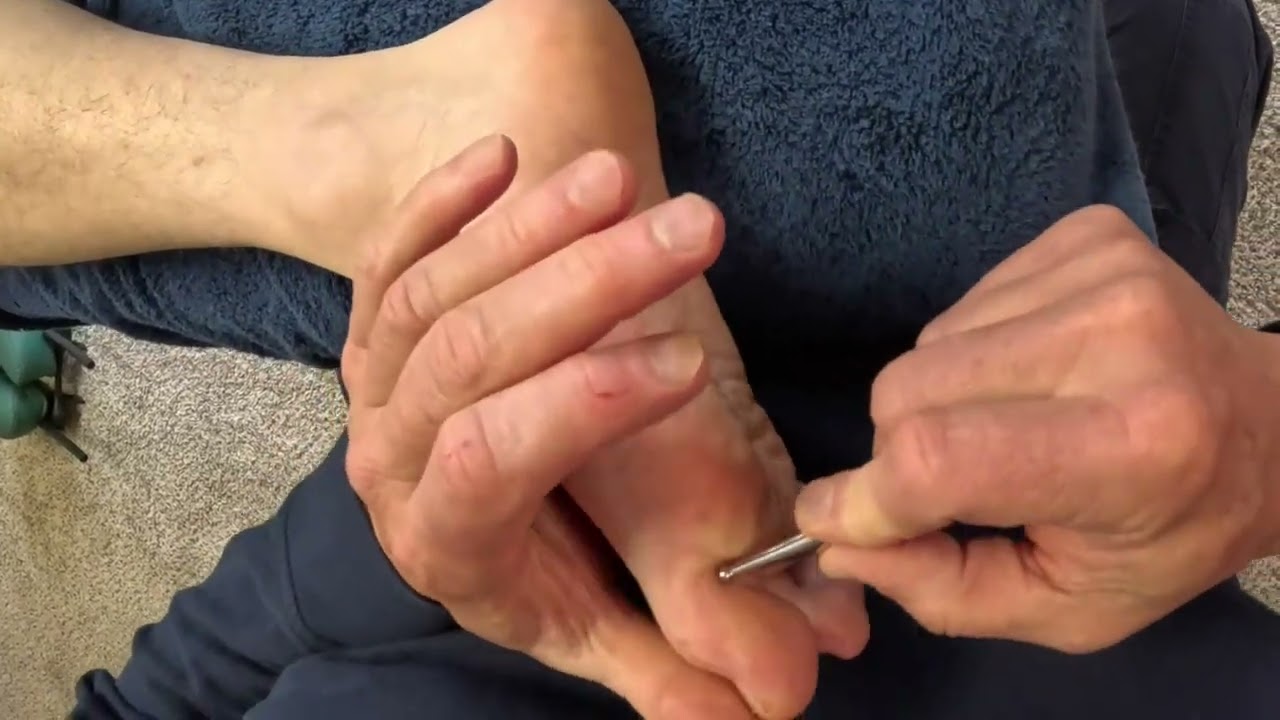
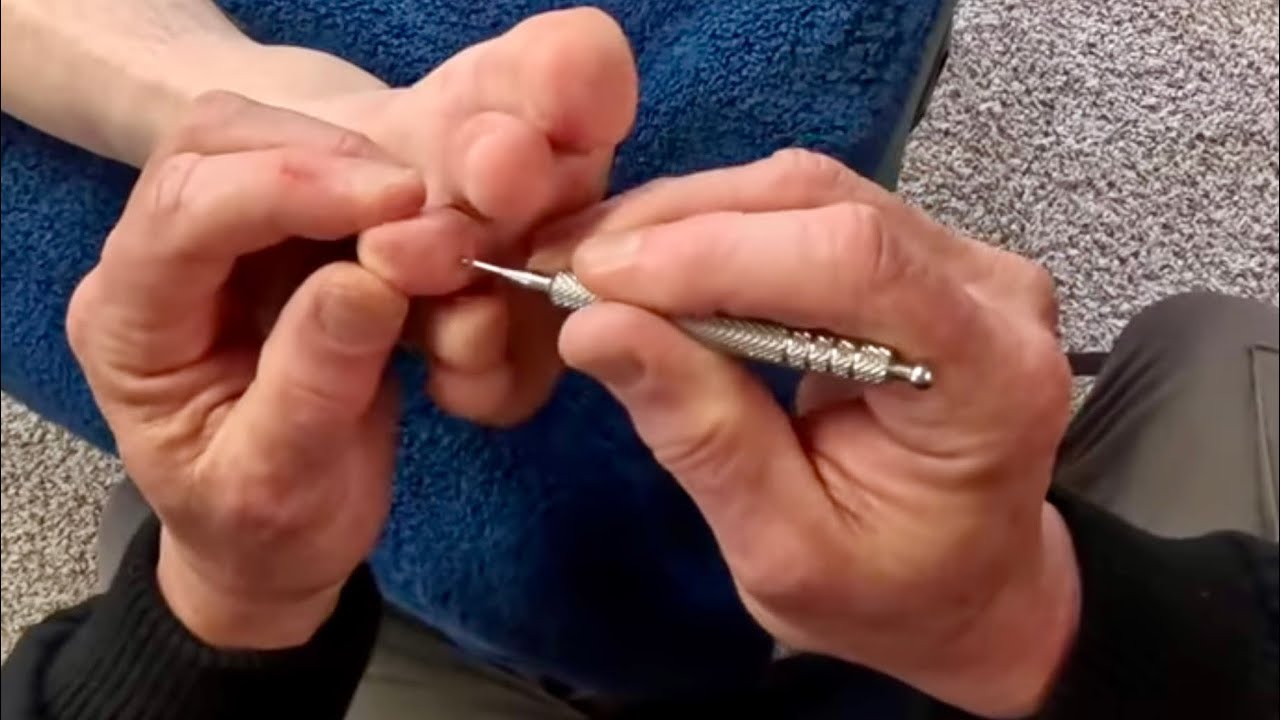
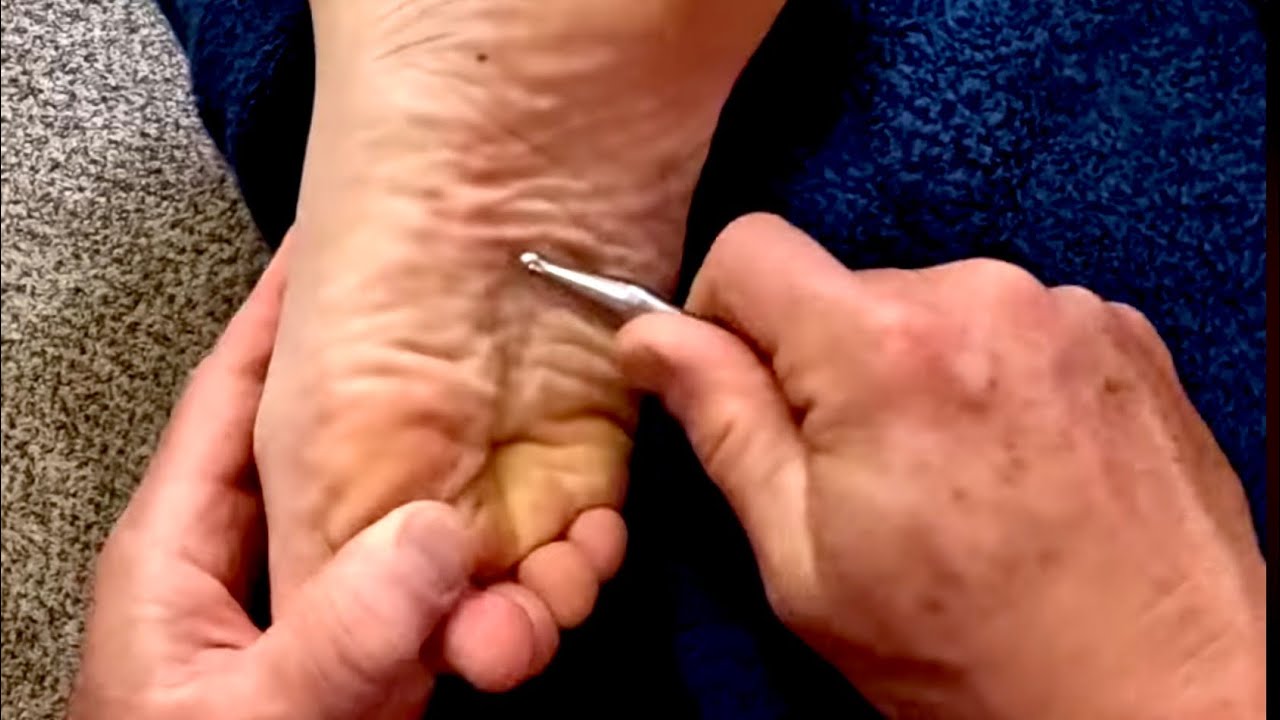
Reflexology in Vermont falls under “bodywork” and is defined by practice standards rather than statute. Typical reflexology:
• Targeted pressure on reflex points of the feet and hands
• Energetic, point-based approach -
Key point: Even pure reflexology must be performed by a registered bodyworker – you may not advertise protected terms like “massage,” “massage therapy,” or “massage therapist, unless you are registered
4. Professional Standards & Conduct
Registered practitioners must adhere to:
-
OPR’s Code of Professional Conduct for bodyworkers and touch professionals.
-
Public disclosure: Provide clients a written statement of your credentials, scope, and rates before the first session.
-
Complaint process: Clients may file complaints with OPR for misconduct or unprofessional behavior.
See Conduct Guidelines →
https://sos.vermont.gov/massage-therapists-bodyworkers-and-touch-professionals/ sos.vermont.govhttps://youtu.be/0ER_X2lEchQ
5. Local Business & Health-Department Permits
Registration with OPR does not replace local requirements. Most Vermont towns require:
-
A general business license or Certificate of Occupancy.
-
Health-department inspections for clinics or studios (check with your city or town health office).
-
Zoning approval if you see clients in a home-based practice.
Tip: Contact your local clerk or health department to confirm municipal rules before opening.
https://youtu.be/WtL0DOZTGqs
6. Raynor® Reflexology Guidance in Vermont
-
Raynor-trained reflexologists must register under Act 178 to practice legally in Vermont.
-
Maintain clear marketing:
“Certified Raynor Reflexology – Registered Bodyworker (Reflexology Only).”
-
Use your Raynor education to differentiate your practice while staying fully compliant.
Explore Raynor Courses →
https://www.raynormassage.com/courses/
7. Read Our Testimonials
Read more success stories →
https://www.raynormassage.com/testimonials/
8. Quick Reference Table
| Service Type | Registration Required? | Local Permit Often Required? |
|---|---|---|
| Reflexology (bodywork only) | Yes (Act 178 bodyworker registry) | Yes (business/health-dept permit) |
| Massage Therapy | Yes (Act 178 bodyworker registry) | Yes |
| Raynor Reflexologists | Yes (Act 178 bodyworker registry) | Yes |
9. Resources & Links
-
Vermont OPR Registration (Massage Therapists, Bodyworkers & Touch Pros)
https://sos.vermont.gov/massage-therapists-bodyworkers-and-touch-professionals/ sos.vermont.gov -
Act 178 & Assessment Report (2020 OPR Report)
https://outside.vermont.gov/dept/sos/office_professional_regulation/regulatory/legislative_reports/massage_therapy_bodyworker_touch_professional_regulation_assessment_report_2024.pdf outside.vermont.gov -
Raynor Massage State Overview (All States)
https://www.raynormassage.com/reflexology-regulations-and-laws-state-by-state-across-the-us/ -
Raynor Massage Courses
https://www.raynormassage.com/courses/ -
Testimonials
https://www.raynormassage.com/testimonials/
Disclaimer: Regulations and local ordinances evolve—always verify current requirements with Vermont’s Office of Professional Regulation and your local authorities before opening or advertising your practice.
https://youtu.be/swms8dIulzQ