Why the RMT Industry in Canada Feels Threatened by Raynor Massage — And the Hypocrisy Behind the Ontario Restraining Order
For years, Raynor Massage has been helping people across Canada learn powerful, holistic massage techniques — in much less time and at much lower cost than traditional Registered Massage Therapist (RMT) programs.
But in Ontario, we’ve been directly targeted by the RMT establishment through a restraining order issued by the Ministry of Training, Colleges and Universities (TCU) — an order that has been used to falsely paint our organization as “breaking the law” or being unsafe.
Here’s the truth behind the situation — and why we believe it reveals more about industry fear and hypocrisy than about consumer protection.
 What Is the Ontario 40-Hour Restraining Order?
In 2010, the Ontario TCU issued an order restricting Brandon Raynor’s College of Massage and Natural Therapies from offering in-person diploma programs over 40 hours without registering as a private career college in Ontario. As we are not based in Ontario this is not something we have chosen to do. We wanted to give the people of Ontario the opportunity to learn Raynor Massage but the RMT industry was threatened by us.
You can see the document here:
What does this mean?
 We can still teach in-person certificate programs under 40 hours.
We can still offer online and international courses.
We have not been shut down or labeled illegal, fraudulent, or unsafe.
The order is purely about provincial administrative requirements about length of courses and having to register as a Private Career college in Ontario for courses above 40 hours, not about the quality, ethics, or effectiveness of Raynor Massage. We also can teach our longer courses in any other province of Canada including Quebec and BC, as well as all of our other course locations around the world.
 The Hidden Story: Industry Pressure
What most people don’t realize is why the TCU was pushed to issue this order.
The massage industry in Ontario — dominated by the RMT system — actively lobbied to have this restriction imposed because:
- Raynor Massage offers an alternative training path.
- Our diploma course (70 hours) threatened their 2,200+ hour programs. The schools that teach these course charge between $20,000 and $30,000 for their courses. They stood to lose a lot of money if people chose our courses to learn Raynor bodywork rather than RMT massage.
- They feared consumer choice would shift toward our shorter, practical, results-based training.
This wasn’t about protecting the public. It was about protecting their monopoly.
 The Hypocrisy
Here’s the core hypocrisy:
On one hand, the RMT establishment attacks Raynor Massage for offering shorter courses — claiming it’s irresponsible or inferior.
On the other hand, they pressured government regulators to restrict consumer access to our longer Diploma courses and only allowing them to take our shorter Certificate Courses, preventing people from choosing the path that works best for them.
If they truly believed in education choice, they would let consumers decide which training delivers the best outcomes — not try to shut down competitors.
 What Raynor Massage Offers (and Why It’s a Threat)
- Fast-track, hands-on training
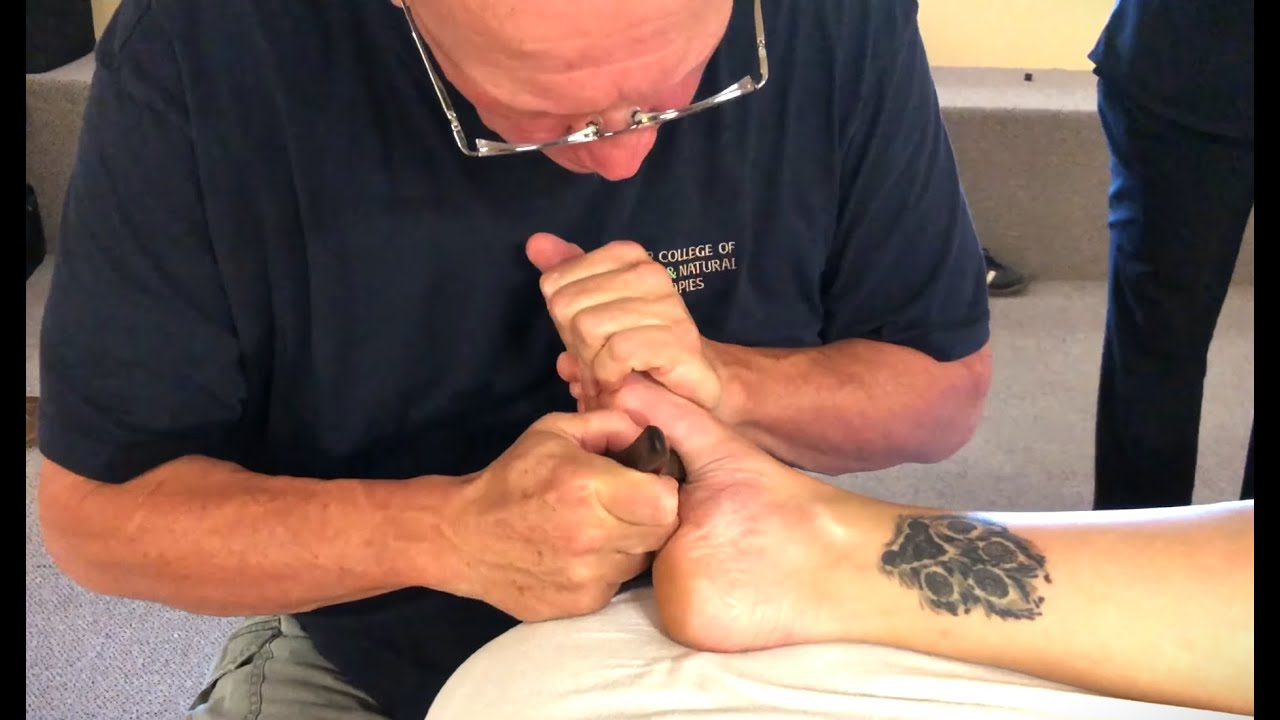
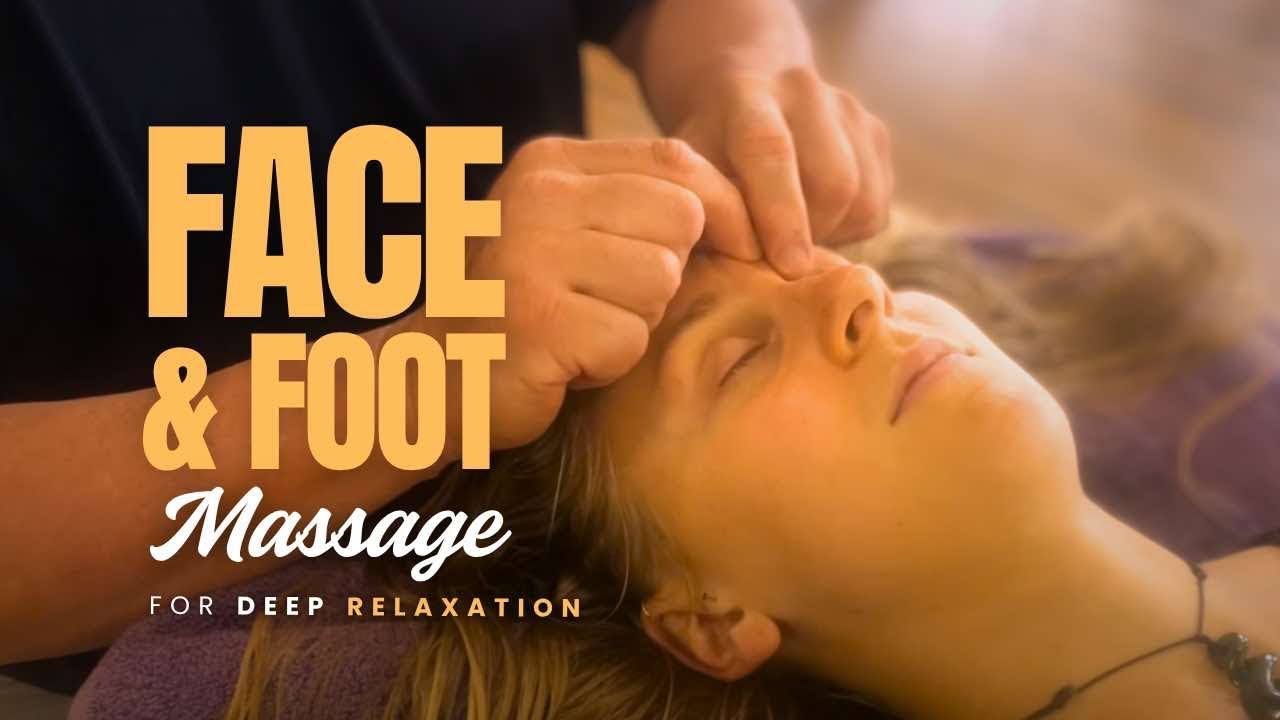
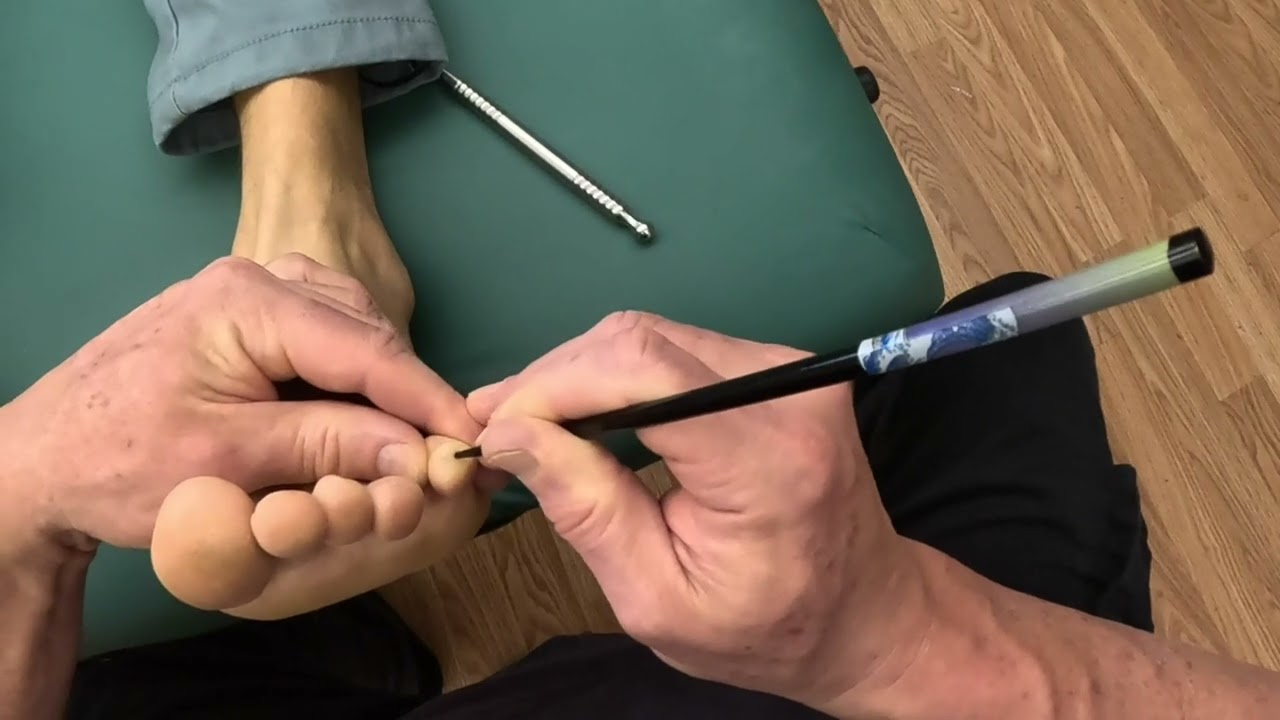
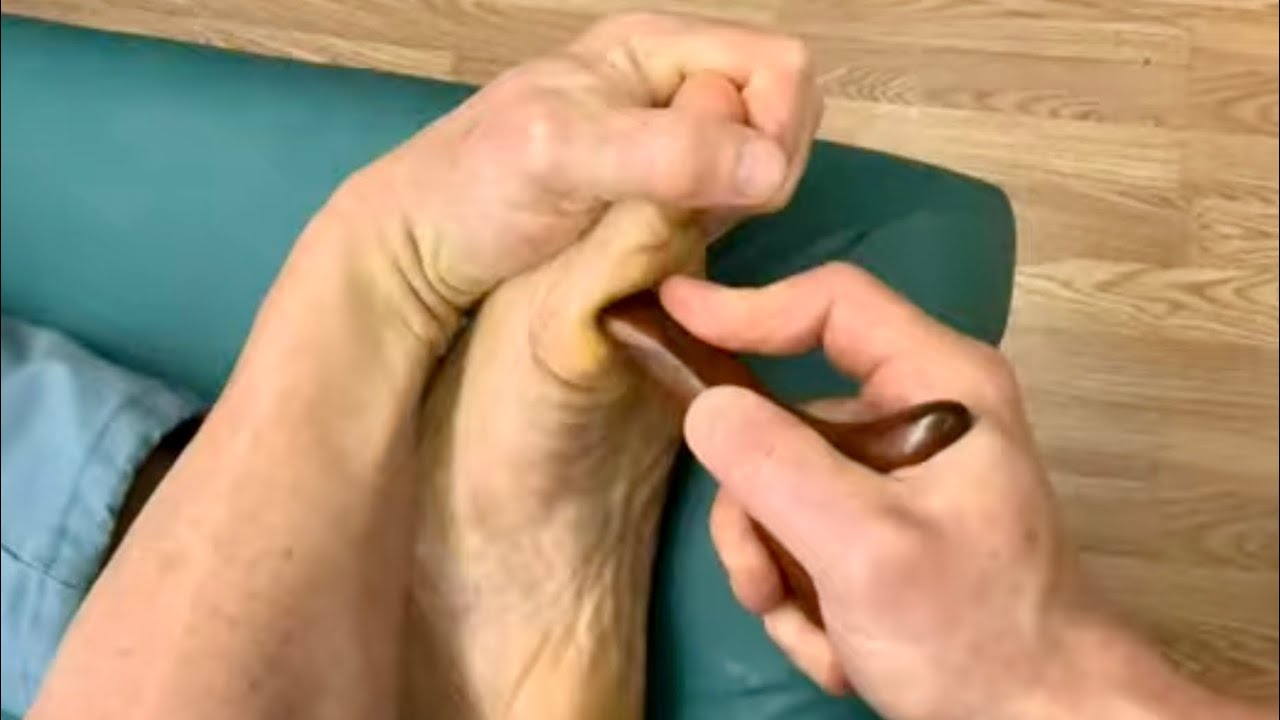
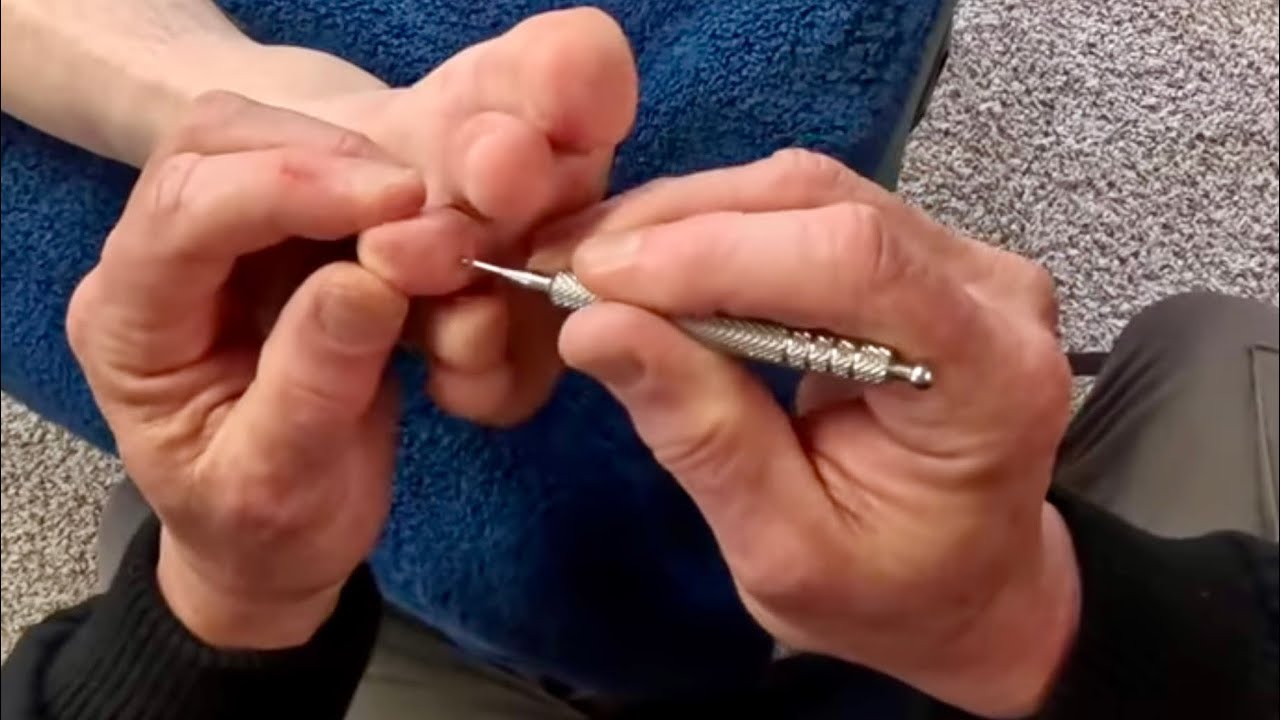
- Practical techniques that go beyond routine massage: tension tracking, emotional release, reflexology, energy work
- Lower upfront cost and faster path to earning
- Ability to work as a complementary therapist without the insurance-rebate treadmill
We help students become great therapists, not just certified billers for insurance companies.
That’s why the RMT industry feels threatened.
 What We Are Still Allowed to Offer
Despite the Ontario order:
We continue to offer online courses to Ontario residents.
We continue to offer in-person certificate courses under 40 hours.
We continue to train students across other Canadian provinces, where regulations differ.
And importantly — we continue to stand by the quality, integrity, and effectiveness of our training.
Under the Private Career Colleges Act, 2005, any program that is under 40 hours in total instructional time is deemed a non‑vocational program and is therefore exempt from both registration as a private career college and from program‑approval requirements by the Superintendent. Concretely:
-
O. Reg. 415/06, s. 9(1)(3):
“Programs that are less than 40 hours in duration” are prescribed as non‑vocational programs and thus do not require registration or approval under the Act CanLII. -
The Ministry of Training, Colleges and Universities confirms on its “Exemptions from registration” page that programs shorter than 40 hours fall outside the Act’s scope Ontario.
 What We Reject
We reject the idea that more hours = better training.
We reject the claim that only RMTs can deliver safe, effective bodywork.
We reject the notion that protecting the public means eliminating consumer choice.
The real public harm is when entrenched industries shut down alternatives to protect their profits.
 Final Thoughts
The Ontario restraining order is not evidence that Raynor Massage is unsafe, unprofessional, or illegal — it’s evidence that the RMT industry feels deeply threatened by an alternative that offers:
- Faster, more affordable training
- Real-world healing skills
- Independence from insurance and regulatory lock-in
We will continue to advocate for massage freedom — and for the right of consumers and students to choose the training and treatment that’s right for them.
 Learn more about Raynor Massage Courses in Canada
 Frequently Asked Questions (FAQ)
What is the Ontario 40-hour restraining order about?
In 2010, the Ontario Ministry of Training, Colleges and Universities (TCU) issued a restraining order against Brandon Raynor’s College of Massage and Natural Therapies, restricting us from offering in-person diploma programs over 40 hours without registering as a private career college.
Important: This is an administrative order — not a statement on safety, ethics, or legality. We are still allowed to offer online courses and in-person certificate courses under 40 hours in Ontario.
Why was this order put in place?
We believe — and have clear reason to believe — that the order was pushed forward largely due to pressure from the RMT industry, which felt threatened by our alternative, fast-track diploma program.
This was not about protecting consumers, but about protecting the RMT monopoly and preventing competition.

This is a video made about 15 years ago
Does this mean Raynor Massage is illegal in Ontario?
No! We are fully allowed to teach online courses and shorter in-person certificate programs (under 40 hours) in Ontario. We also operate in other Canadian provinces and other countries where such restrictions do not apply.

Why do RMTs feel threatened by Raynor Massage?
Raynor Massage offers:
Shorter, practical training that delivers real client results
Affordable courses with fast paths to earning
Emotional, physical, and energetic release work often missing from RMT training
We challenge the idea that more hours equals better training — and clients are increasingly looking for alternatives that go beyond conventional massage.
Is Raynor Massage regulated in Canada?
Raynor Massage is classified as complementary therapy or bodywork — not “massage therapy” under provincial RMT regulation. That means no license is required to practice it, but graduates can join professional associations like the International Institute for Complementary Therapists (IICT) and obtain professional liability, malpractice, and public liability insurance.
Can Raynor Massage graduates in Canada get insured?
Yes! Raynor graduates can join organizations like the IICT, or INTA, giving them access to:
Professional indemnity insurance
Public liability insurance
Malpractice insurance
This allows graduates to work safely and professionally across many wellness settings.
Click Here to Learn About The IICT and its insurance for our graduates
Can Raynor Massage therapists issue receipts for extended health insurance reimbursement?
No — only RMTs in regulated provinces can issue receipts for insurance reimbursement.
But many Raynor Massage therapists attract clients who value results, not rebates — building loyal practices through word-of-mouth, client satisfaction, and unique treatment offerings.
What’s the bigger issue here?
The real problem is that the RMT industry uses its influence to block competition and consumer choice, while criticizing shorter programs but also lobbying to have those very programs shut down.
We believe the public deserves access to a range of massage and bodywork options — and students deserve the freedom to choose training that works for them.