Reflexology & Foot Massage Regulations in West Virginia
1. State Overview of Reflexology
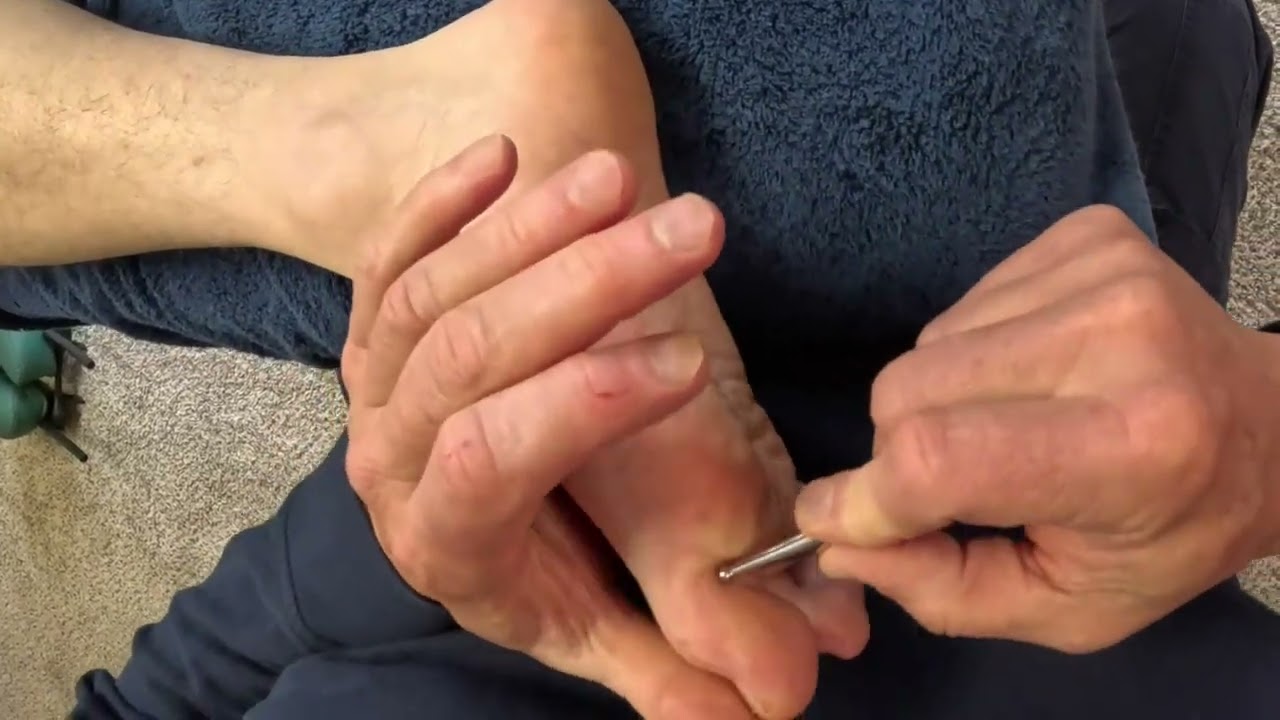
In West Virginia, reflexology is governed as a form of massage therapy under the Massage Therapy Practice Act (W. Va. Code § 30-37-1 et seq.) wvlegislature.gov. There is no separate reflexology license—anyone offering reflexology for compensation must hold a West Virginia Massage Therapist license.
2. West Virginia Massage Therapist Licensing
To legally practice reflexology or any soft-tissue modality in West Virginia, you must obtain a Massage Therapist license through the Board of Massage Therapy:
| Requirement | Details |
|---|---|
| Education | Complete 500 hours of supervised instruction at a Board-approved school legislature.ohio.gov |
| Examination | Pass the NCETMB or other Board-approved exam |
| Background Check & Fingerprinting | FBI and WV State Police checks; fingerprints required |
| Continuing Education & Renewal | Renew biennially with 24 CE hours, including 3 hours in ethics integrativehealthcare.org |
| Fees | $300 initial license fee; $200 renewal; $50 late fee |
Apply & Learn More →
https://doh.sd.gov/licensing-and-records/boards/massage/massage-therapy-information/ raynormassage.comhttps://youtu.be/C8AOBPD-Huo
3. Reflexology vs. Massage Therapy
-
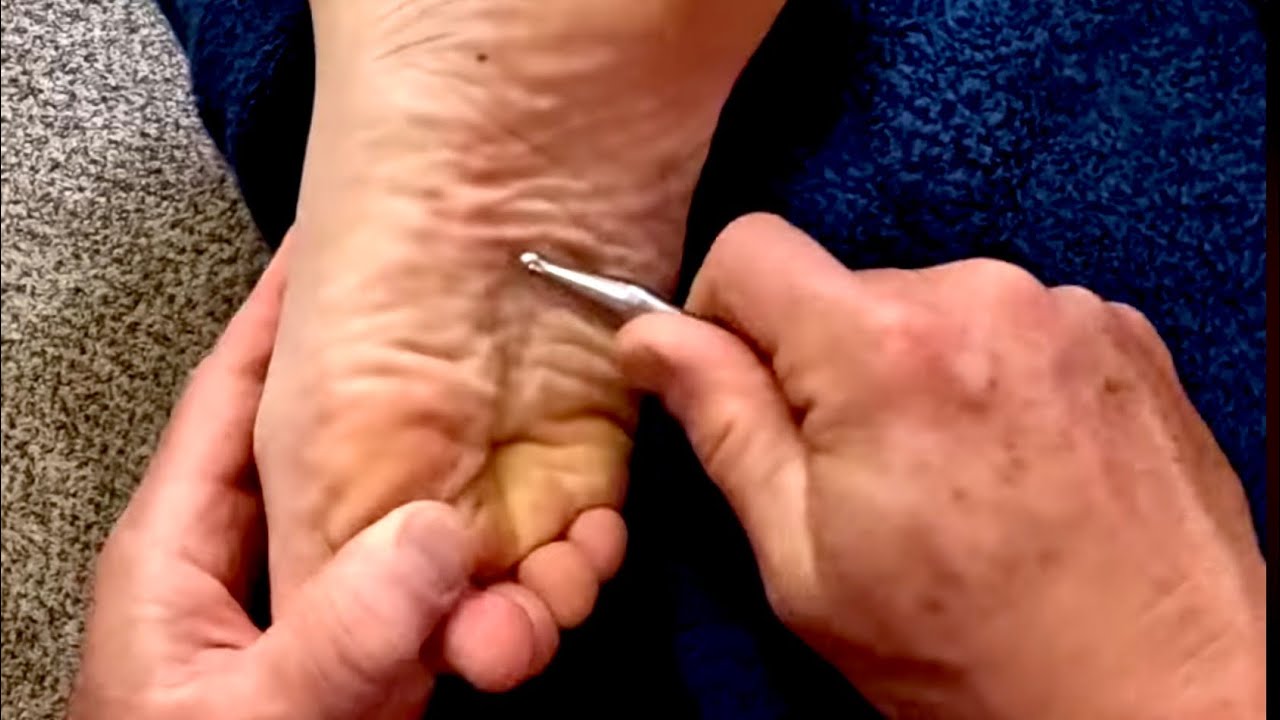
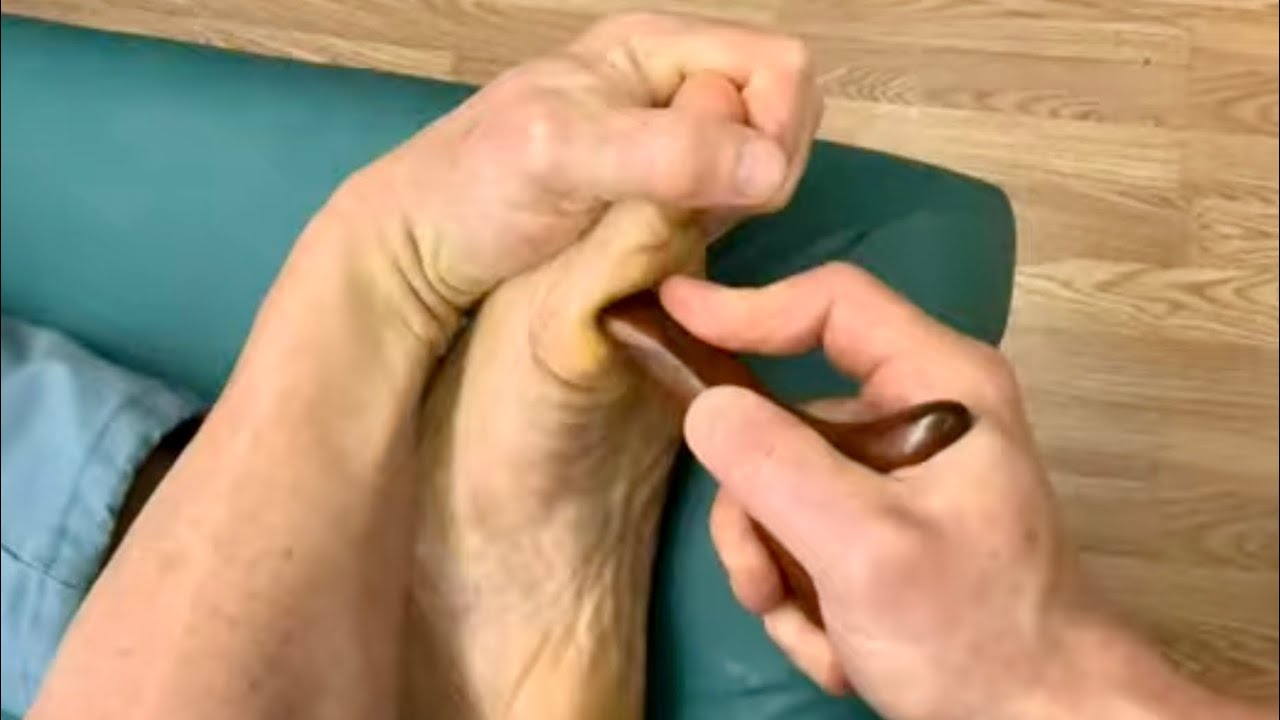
Reflexology: Targeted pressure on reflex points of the feet, hands, or ears—legally a subset of massage therapy in West Virginia.
-
Massage Therapy: Any broader soft-tissue work (kneading, stretching, tool-assisted techniques) also requires the same Massage Therapist license.
There is no standalone reflexology credential in West Virginia.

4. Local Business & Health-Department Permits
Beyond state licensure, most cities and counties require:
-
A general business license from the city or county clerk.
-
Health-department inspections for any public body-work establishment.
-
Massage Establishment License if you operate a multi-therapist studio, per W. Va. Code R. § 194-7-4(e)(1)–(3) law.cornell.edu.
Tip: Always verify local zoning, building, and health rules before opening your practice.
https://youtu.be/6vUb8nnvteY
5. Frequently Asked Questions
Q5. Do reflexologists need a massage license in WV?
A: Yes—West Virginia law treats reflexology as massage therapy, so all reflexology services require a Massage Therapist license wvlegislature.gov.
Q6. Is there any movement to exempt reflexology?
A: SB 496 (2025) proposes exempting “energy work practitioners” (including reflexology) from massage-therapy licensure, but it is not yet law wvlegislature.gov.
https://youtu.be/0ER_X2lEchQ
6. Raynor® Reflexology Guidance
-
Raynor-trained reflexologists must secure their West Virginia Massage Therapist license to practice legally—then apply our specialized reflexology methods for maximum client benefit.
-
On your website, clearly advertise:
“Certified Raynor Reflexology – Performed by Licensed Massage Therapist.”
Explore Raynor Courses →
https://www.raynormassage.com/courses/https://youtu.be/WtL0DOZTGqs
7. Read Our Testimonials
“Becoming licensed through Raynor’s curriculum elevated my West Virginia practice—clients love the results!”
— Morgan S., Charleston
Read more success stories →
https://www.raynormassage.com/testimonials
8. Quick Reference Table
| Service Type | License Required? | Local Permit Often Required? |
|---|---|---|
| Reflexology (any modality) | Yes (Massage Therapist) | Yes (business/health-dept) |
| Massage Therapy | Yes | Yes |
| Raynor Reflexologists | Yes | Yes |
9. Resources & Links
-
WV Board of Massage Therapy (Licensing & Forms)
https://doh.sd.gov/licensing-and-records/boards/massage/massage-therapy-information/ raynormassage.com -
Massage Therapy Practice Act (W. Va. Code § 30-37-1 et seq.)
https://www.wvlegislature.gov/WVCODE/ChapterEntire.cfm?chap=30&art=37#37 wvlegislature.gov -
Continuing Education Requirements
https://www.integrativehealthcare.org/West-Virginia-Massage-CEU/ integrativehealthcare.org -
SB 496 (Proposed Reflexology Exemption)
https://www.wvlegislature.gov/bill_status/bills_text.cfm?billdoc=sb496+intr.htm&i=496&sesstype=RS&yr=2025 wvlegislature.gov -
Raynor Massage State Overview (All States)
https://www.raynormassage.com/reflexology-regulations-and-laws-state-by-state-across-the-us -
Raynor Massage Courses
https://www.raynormassage.com/courses/ -
Testimonials
https://www.raynormassage.com/testimonials
Disclaimer: Regulations and local ordinances change frequently—always verify current requirements with the West Virginia Board of Massage Therapy and your local licensing authorities before opening or advertising your practice.