Introduction
In recent years, the landscape of massage therapy has become increasingly defined by a complex web of laws and regulations. While these rules aim to protect public safety and ensure professional standards, they can also create significant barriers that impede health freedom and restrict consumers’ choices. For those seeking alternative or specialized therapies—such as Raynor Massage—excessive regulation often translates into higher costs, reduced access, and diminished autonomy in managing personal well-being.
The Rise of Bureaucratic Oversight
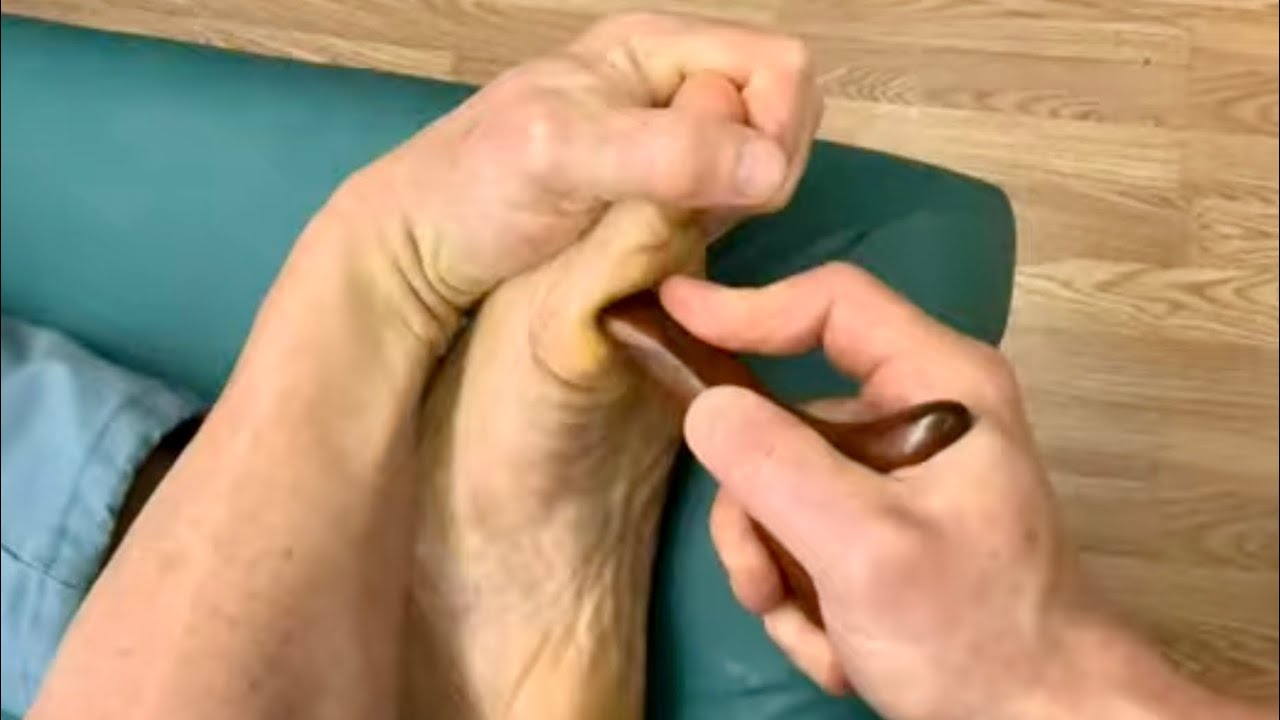
Most U.S. states and many countries require practitioners to obtain licenses, submit to ongoing continuing education, and adhere to uniform protocols. These measures are overseen by boards that may be dominated by traditional medical interests, often prescribing a “one-size-fits-all” approach to hands-on bodywork. While licensure helps maintain minimum standards, it can also stifle innovation by restricting non-traditional methods and imposing costly compliance requirements.
How Regulations Limit Health Freedom
-
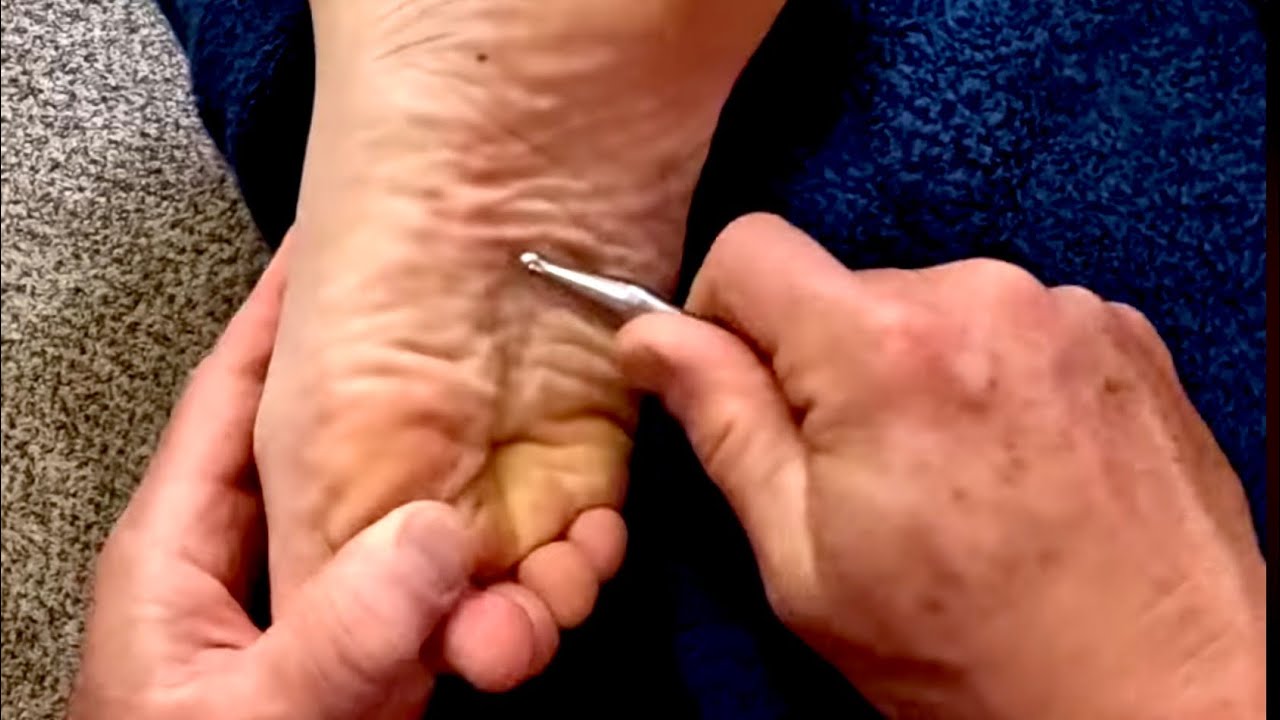
Restricted Modalities: Many jurisdictions authorize only certain recognized massage techniques, excluding innovative approaches like Raynor Massage unless they undergo lengthy approval processes.
-
Scope of Practice: Practitioners may be prohibited from addressing specific conditions—such as emotional release or energy work—that fall outside narrowly defined therapeutic categories.
-
Location Constraints: Zoning ordinances and facility regulations can prevent therapists from offering in-home or mobile services, forcing consumers to travel further or forgo treatments entirely.

Impact on Consumer Choice
When regulatory frameworks are too rigid, consumers lose the ability to explore diverse therapeutic options. This monopolization of “approved” services often funnels clients toward mainstream modalities, even if they’re less effective or more expensive in the long term. Health freedom advocates argue that informed adults should have the right to decide which bodywork techniques best suit their unique needs, without unnecessary legal hurdles.
The Hidden Costs of Compliance
-
Licensing Fees: Initial and renewal fees can range from a few hundred to over a thousand dollars annually.
-
Continuing Education: Mandated workshops or courses—often priced at $100–$300 each—add to operating expenses.
-
Administrative Burden: Record-keeping, insurance, and board reporting demand significant time, diverting resources from client care.
-
Facility Upgrades: Regulations on sanitation, accessibility, and construction can require costly renovations or specialized equipment.
These overheads inevitably trickle down to clients through higher session rates, making regular massage therapy a luxury rather than an accessible health option.

Case Study: Raynor Massage
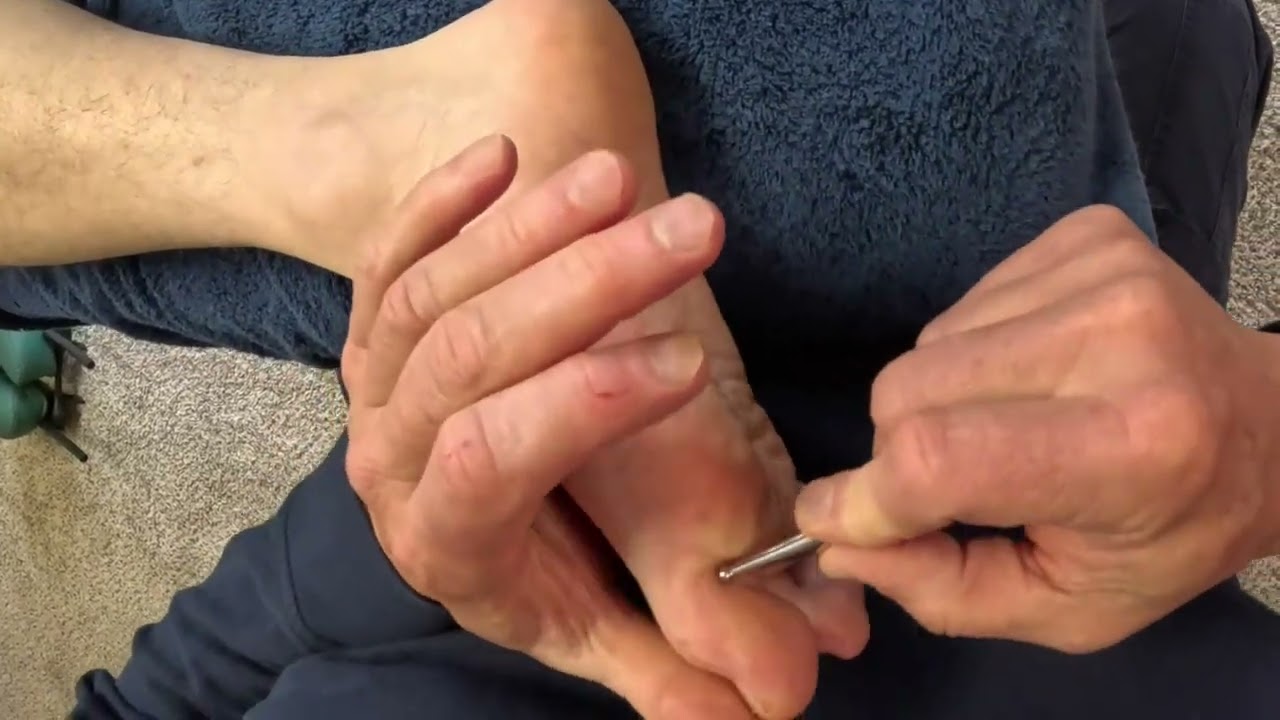
Raynor Massage, with its focus on deep tissue, energetic release, and holistic wellness, exemplifies the conflict between innovation and regulation. Although many clients report profound benefits, practitioners often struggle to fit this method within conventional licensing scopes. As a result:
-
Sessions may cost more to cover compliance expenses.
-
Therapists might limit services to avoid legal risks.
-
Consumers may be unaware of Raynor Massage altogether due to marketing restrictions.

Balancing Safety and Freedom
A balanced regulatory environment would uphold essential safety standards—such as hygiene and basic competency—while allowing flexibility for emerging techniques. Possible reforms include:
-
Tiered Licensing: Differentiating between general relaxation massage and specialized therapeutic modalities, with tailored requirements for each.
-
Practice Exemptions: Granting freedom for practitioners to use new methods under informed-consent agreements.
-
Streamlined Reporting: Simplifying paperwork and fees for small-scale or mobile therapists to reduce administrative overhead.
Empowering Consumers and Practitioners
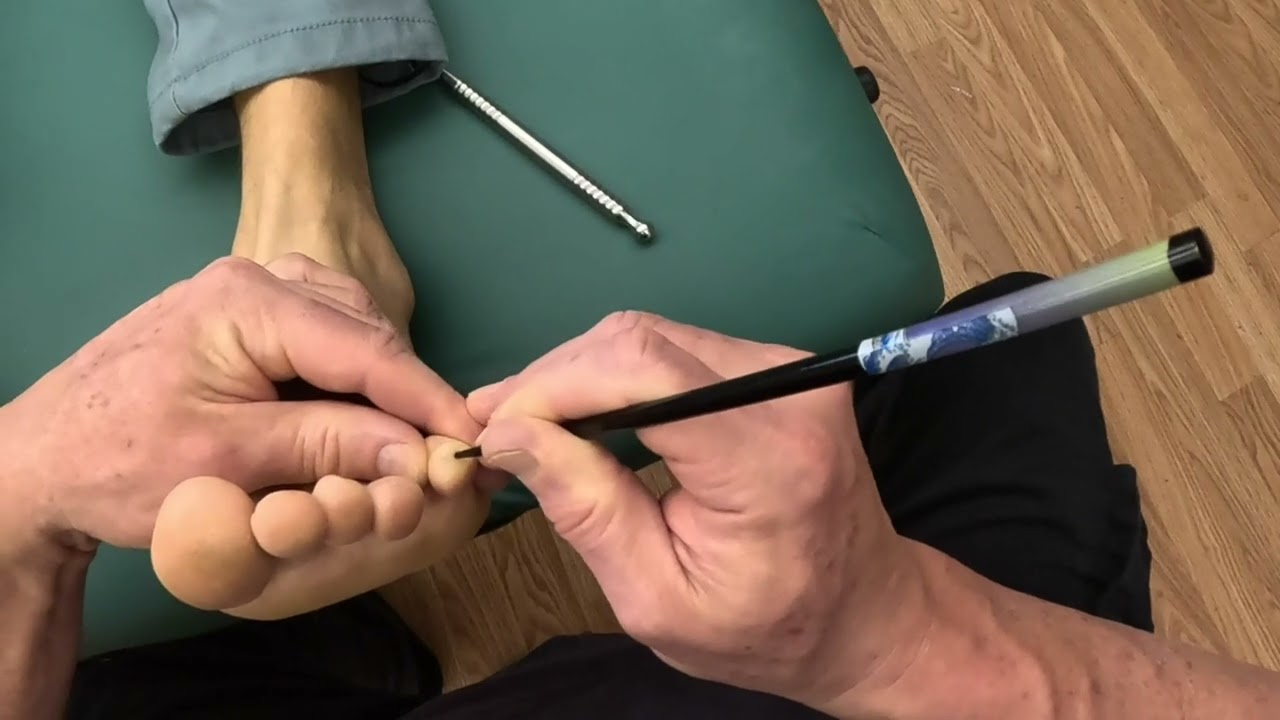
Ultimately, true health freedom depends on transparency and choice. Consumers should have access to clear information about various massage therapies, including benefits, risks, and practitioner qualifications. Meanwhile, legislators and licensing boards must engage with innovative therapy leaders—such as Brandon Raynor and his team—to craft regulations that protect clients without stifling progress.
Conclusion
Massage laws and regulations play a vital role in safeguarding public health, but when they become overly prescriptive, they undermine consumer autonomy and inflate costs. By advocating for smarter, more flexible regulatory frameworks, we can preserve both safety and freedom—ensuring that therapies like Raynor Massage remain available, affordable, and responsive to individual wellness needs.